Collecting guest photos
Scottish wedding traditions: quaich, handfasting and more
10 November 2026 · 5 min read
The short answer: the Scottish wedding traditions couples most often include today are the quaich ceremony (sharing a drink from a two-handled cup), handfasting (tying the couple's hands with a cloth or ribbon, the origin of "tie the knot"), the oathing stone (holding a stone while saying your vows), pinning the tartan (welcoming a new family member with a clan tartan) and an evening ceilidh. Most fit into a civil or religious ceremony in a few minutes and need only one or two items, so you can choose the ones that mean something to you.
Below, each tradition with what it means, what you need and where it fits in the day. The descriptions follow the guidance published by Scottish Borders Council's registration service and the Royal Scottish Country Dance Society.
The quaich ceremony
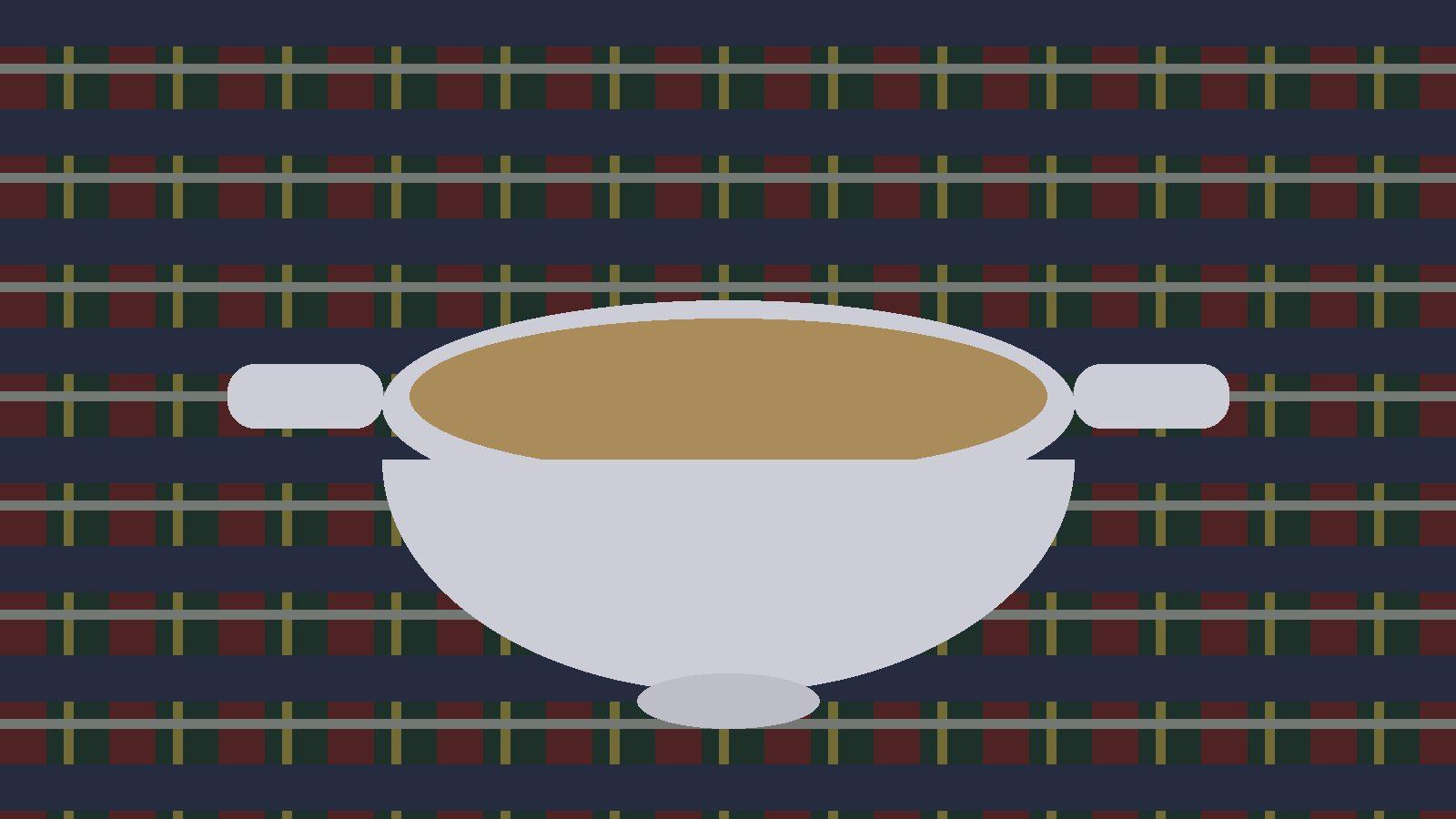
What it is. The quaich is a shallow, two-handled cup. According to Scottish Borders Council, it is "an ancient vessel used by two families or clans, to celebrate a bond", and sharing it is symbolic of the sharing between the couple.
How it works. In the council's description, the groom drinks from the quaich first and then offers it to his bride; who it passes to next is a matter of choice. Historically the leaders of each family or clan would have passed it round. Same-sex couples, or anyone who prefers a different order, simply decide who drinks first.
What you need. A quaich (it can be engraved) and what the council calls your "preferred drink": whisky, wine or something non-alcoholic all work.
Where it fits. Straight after the vows and rings, or at the start of the wedding breakfast with both families.
Handfasting
What it is. Scottish Borders Council calls hand-fasting "an ancient Celtic/medieval custom" in which the couple declare, by their own choice, that they intend to marry. Facing each other, they join hands while a cloth is tied around their hands in a knot. The council notes that this is where "tie the knot" comes from.
What you need. A cloth or ribbon. You could use a length of family tartan, or plait three ribbons in your wedding colours.
Where it fits. During the vows. A child, a parent or a close friend can tie the knot, which is a lovely way to involve someone.
The oathing stone
What it is. The council describes the oathing stone as "an old Scottish tradition where the couple place their hands upon a stone while saying their wedding vows", taken from the Celtic custom of setting an oath in stone.
What you need. A stone that fits comfortably in two pairs of hands. You could collect one from a beach or hill that matters to you; the council notes it can be engraved if you like.
Where it fits. During the vows. Afterwards, the stone becomes a keepsake for the mantelpiece or the garden.
Pinning the tartan
What it is. A family member, or the partner, presents the other partner with their clan tartan as a sign that they are welcomed into the family. The council notes the roles can be reversed either way.
What you need. A tartan sash, a rosette or a clan badge.
Where it fits. After the declaration of marriage, so everyone sees the moment.
A rose for each other
Scottish Borders Council lists a rose ceremony where the couple give each other a rose, sometimes brought forward by the best man or a witness with a reading. Its fitting example is Robert Burns' poem "A Red, Red Rose". Short, and it gives a reader a real role.
The love letter box
Another option the council describes: in the weeks before the wedding you each write a love letter, seal it, and place both in a box with mementoes, such as photographs and your favourite songs. The box is locked during the ceremony and opened on your first anniversary, or one of your choosing.
The ceilidh
What it is. According to the Royal Scottish Country Dance Society, a ceilidh (pronounced "kay-lee") comes from the Gaelic word for a gathering. The dances are energetic and easy to pick up, and the band, or sometimes a caller, takes everyone through the steps. Live bands typically play jigs and reels on instruments such as fiddle, accordion, piano and drums.
Why it works at weddings. Nobody needs lessons or a partner, so grandparents and children end up on the same dance floor. Plan it after the first dance, when the evening guests have arrived.
If you are marrying in Scotland
Whatever traditions you choose, the paperwork comes first. The Highland Council explains that all couples must give notice to the registrar in the district where the wedding will take place, using the marriage notice form M10. The earliest you can give notice is three months before the ceremony, the legal minimum is at least 29 days before, and it is best to give 10 to 12 weeks' notice to avoid delays. Check the details with the registration office in your district.
Choosing which traditions to include
| Tradition | Time in the ceremony | Items needed | Good for involving |
|---|---|---|---|
| Quaich | 2 minutes | Quaich, drink | Both families |
| Handfasting | 2 to 3 minutes | Cloth or ribbon | A child, parent or friend |
| Oathing stone | 1 minute | A stone | Whoever found the stone |
| Pinning the tartan | 2 minutes | Sash, rosette or badge | A parent |
| Rose ceremony | 2 minutes, plus a reading | Two roses | The best man or a witness |
| Love letter box | 2 minutes | Box, two padlocks, letters | Just the two of you |
Two or three traditions are plenty in one ceremony. Talk them through with your registrar or celebrant, who will tell you what fits. Planning readings too? Our guide to civil ceremony readings has options that sit well next to Burns.
Capturing the moments
The quaich, the knot and the first ceilidh set are quick and often happen while your photographer is facing the other way. Guests catch them from where they are sitting.
With Pixavo, "Every guest becomes your photographer: one QR code, no app, and all their photos come together live in your private album." Videos go in the same way, which suits a ceilidh: "Guests upload videos exactly like photos, through the same scan." Afterwards you download everything and keep it yourself. Plans are one-off: Basic £49, Premium £79 and Premium Plus £139 (our UK pricing page on 10 November 2026). See the UK plans. For the shape of the whole day, see our UK wedding day timeline.
FAQ
What is a quaich at a Scottish wedding?
A two-handled cup that the couple share a drink from, often followed by their families, as a symbol of sharing and of two families joining.
Where does "tie the knot" come from?
From handfasting, where a cloth is tied around the couple's joined hands. Scottish Borders Council's registration service gives this explanation.
What is an oathing stone?
A stone the couple hold while saying their vows, from the Celtic custom of setting an oath in stone. It is kept as a keepsake afterwards.
How do you pronounce ceilidh?
"Kay-lee". The word comes from the Gaelic for a gathering.
How far ahead do you give notice to marry in Scotland?
At least 29 days before the ceremony and no earlier than three months; the Highland Council advises 10 to 12 weeks to avoid delays.
Get your album ready
One QR code, no app, and every photo and video from your guests in one living album.
Read next
Civil ceremony readings: non-religious options
Civil ceremony readings for UK register offices: what GOV.UK allows, how to choose a non-religious reading, who should read, and a checklist with ease.
4 min read
UK wedding day timeline: from ceremony to evening guests
A UK wedding day timeline with example times: ceremony, drinks reception, wedding breakfast, speeches and the evening guests, plus where the day runs late.
5 min read
Wedding toast examples for every role
Wedding toast examples for the maid of honor, best man, parents, siblings and the couple, plus a simple four-part formula and a full sample. Write yours.
7 min read